Industry Updates
You can master the latest information, new product , exhibition, promotion, etc
WARNING: This product contains nicotine. Nicotine is an addictive chemical.
WARNING: This product contains nicotine. Nicotine is an addictive chemical.

You can master the latest information, new product , exhibition, promotion, etc
You can master the latest information, new product , exhibition, promotion, etc
Release time:2026-09-23 10:50:55Views:
The pod vape market continues to expand worldwide, and pod systems are generally divided into two mainstream categories: closed prefilled pod vapes and open refillable pod vapes. Many vape wholesalers, importers and offline retailers struggle to decide which product line fits their regional market. Understanding the core differences between closed pod and open pod systems, their target customer groups, regional market characteristics and regulatory challenges helps B2B buyers make smarter purchasing and stocking decisions.
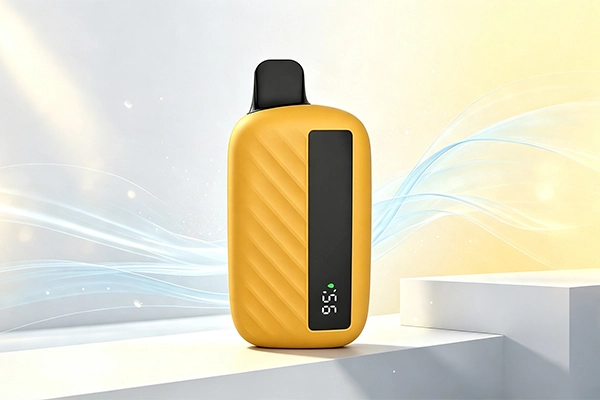
A closed pod vape, also known as a prefilled pod system, uses factory-sealed pods pre-filled with e-liquid. When the e-liquid inside runs out, users discard the used pod and insert a brand-new sealed pod. There is no refilling operation required from end users. This design locks users into the manufacturer’s flavor and nicotine strength options. The whole device features simple operation, no liquid leakage risks and almost no daily maintenance, which lowers the usage threshold for new vapers.
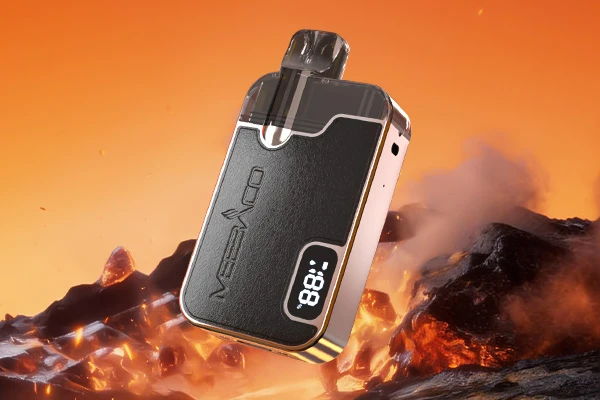
An open pod vape is a refillable pod system. It comes with empty reusable pods, and users can manually fill compatible e-liquid into the pod. Vapers are free to pick different e-liquid brands, flavors, nicotine concentrations and VG/PG ratios according to personal preference. Most open pod hardware supports adjustable airflow, bringing flexible vaping experiences. Users need to handle e-liquid filling and replace coils periodically, so it requires basic operation knowledge.
When analyzing target end consumers, closed pod vapes mainly cater to beginners and users who pursue simplicity. Former smokers switching to vaping prefer closed pod products because the ready-to-use design eliminates complicated setup. Users who value neatness and dislike messy e-liquid operations also choose closed pods. Closed pod products deliver stable and consistent flavor output controlled by the factory, which reduces complaints about inconsistent taste.
Open pod vapes attract experienced vapers and customization lovers. Long-term vapers often want to adjust flavor, cloud production and throat hit freely. For heavy vapers, open systems also bring better long-term cost performance. Although the initial hardware investment of open pod kits may be higher, bottled e-liquid greatly cuts down the per-milliliter cost compared with continuously buying prefilled closed pods. Hobby vapers and local vape shop regulars form the core consumer group for open pod products.
Regional market preference shows obvious divergence. Closed pod systems gain strong popularity in markets where convenience retail channels are mature. Convenience stores, gas stations and supermarket shelves are ideal sales channels for closed pods, as prefilled pods have standardized packaging and simple display. Markets with large numbers of first-time vapers usually see steady demand growth for closed pod hardware and matching prefilled pod consumables.
Open refillable pod vapes perform better in regions with mature vape specialty shops. In these markets, local vape retailers sell hardware together with bottled e-liquid and replacement coils, building a complete supporting supply chain. Some regions with strict plastic waste control and relevant vaping regulations are more friendly to refillable open pod products, thanks to their reusable structure. Open pod products also have advantages in markets where vapers are familiar with e-liquid parameters and like personalized blending.
Regulatory compliance is one of the most critical factors for cross-border vape traders. Closed prefilled pods usually need complete product notification, ingredient filing and certification before import. Each flavor variant of prefilled pods often needs separate regulatory documentation, which increases certification workload and cost for importers. Open pod hardware itself and bottled e-liquid can go through compliance separately, bringing different filing workflows. Wholesalers must check local vaping laws, tax rules and packaging requirements before importing either type of pod system.
From the perspective of B2B wholesale business model, closed pod projects rely heavily on continuous repeat orders of consumable pods. Once end users accept a certain closed pod device, they will keep repurchasing matching prefilled pods, creating stable recurring revenue. But the product line is highly brand-locked. If end users switch device brands, they will stop buying your original pod consumables. Inventory management also needs to cover multiple flavor SKUs of prefilled pods, which raises inventory pressure and capital occupation.
Open pod wholesale focuses on hardware sales plus continuous sales of empty replacement pods, coils and bottled e-liquid. Since open hardware supports third-party compatible e-liquid, retailers can match diversified e-liquid products to increase store profit margins. However, after-sales consultation pressure is higher. Retailers need to guide customers on filling skills, coil replacement and leakage troubleshooting. Retail staff need more professional product knowledge to serve open pod buyers.
Profit structure differs between the two categories. Closed pod hardware usually has relatively low profit margins, while the recurring prefilled pod consumables bring the main profit. Open pod hardware can have higher unit profit, but consumable repurchase frequency is determined by end users’ e-liquid consumption habits. Local market competition also affects pricing strategy. If the local market is flooded with low-price closed pod products, entering open pod lines can help retailers find differentiated positioning.
For global vape importers and distributors, there is no absolute better option between closed pod and open pod vape systems. If your sales channels are convenience retail and your target market contains many new vapers, closed pod products are more suitable. If your business cooperates with professional vape shops and faces experienced vapers, open refillable pod systems can bring richer product portfolios and personalized selling points. Many large vape distributors choose mixed stocking, matching closed pod lines for mass market sales and open pod hardware for specialty vape shop customers.
Before placing bulk orders, traders should fully investigate local regulatory restrictions, consumer habits, competitor pricing and supporting supply chain conditions. Whether you select closed prefilled pods or open refillable pod vapes, product quality, certification validity and stable after-sales support remain the core of long-term global vape business.