Industry Updates
You can master the latest information, new product , exhibition, promotion, etc
WARNING: This product contains nicotine. Nicotine is an addictive chemical.
WARNING: This product contains nicotine. Nicotine is an addictive chemical.


You can master the latest information, new product , exhibition, promotion, etc
You can master the latest information, new product , exhibition, promotion, etc
Release time:2026-03-28 14:01:03Views:
The global e-cigarette industry is at a historic turning point. For years, disposable vapes have dominated the market with convenience, yet their “use-and-throw” model has created severe plastic waste, battery pollution, and ecological pressure. Driven by strict regulatory bans in Europe and the United States and a sweeping global sustainability trend, the industry is rapidly shifting toward a circular economy. In this revolution, refillable pods have moved from an alternative choice to the undisputed protagonist, laying the foundation for long-term success in cross-border e-cigarette trade.
Regulatory Tide: Bans on Disposables Reshape the Market Landscape
Policy has become the most powerful catalyst for change. In the European Union, Belgium took the lead in implementing a full ban on disposable vape sales in 2025, followed by the UK, France, and other countries announcing comprehensive prohibitions to curb youth usage and environmental harm. Violators face heavy fines, and retailers risk severe penalties for stocking disposable products.
In the United States, multiple states have rolled out restrictions or bans on flavored and non-FDA-cleared disposable vapes, with tight controls on production, sales, and marketing. These measures are not temporary controls but systemic adjustments that signal the end of the disposable era. For global e-cigarette exporters, adapting to this regulatory shift is no longer optional—it is a prerequisite for survival and growth.
Environmental Imperative: Circular Economy Becomes an Industry Consensus
Disposable vapes generate massive amounts of non-recyclable plastic, lithium batteries, and residual e-liquid, causing persistent soil and water contamination. Each discarded device adds to the global waste burden, drawing growing criticism from governments, environmental groups, and consumers.
The circular economy model, centered on reuse, refill, and recycling, provides a fundamental solution. Refillable pod systems allow users to repeatedly replenish e-liquid in durable hardware, drastically cutting the number of discarded devices. This design aligns with global carbon neutrality goals, meets EU and U.S. green compliance requirements, and enhances brand reputation among eco-conscious consumers. For foreign trade enterprises, sustainable positioning has become a core competitive advantage in international markets.

Why Refillable Pods Are the Long-Term Winners
1. Regulatory Compliance & Market Stability
Unlike disposables facing outright bans, refillable pods comply with strict regulatory frameworks in major markets. Their reusable structure avoids the core risks of disposable products, ensuring stable access to the EU and U.S. markets with sustainable sales channels.
2. Significant Cost Advantages for Users
Refillable pods reduce long-term spending by eliminating frequent device replacements. Users only need to purchase e-liquid, making the product more attractive and boosting customer loyalty and repurchase rates—key metrics for sustained export growth.
3. Ecological Sustainability & Brand Value
By reducing plastic and battery waste, refillable systems strengthen brand ESG performance. In international trade, environmentally responsible products gain preferential treatment in customs clearance, retail partnerships, and consumer trust, supporting long-term market expansion.
4. Flexible Innovation & Customization
Refillable platforms support modular upgrades, diverse flavor options, and personalized designs. Brands can quickly adapt to market changes without over-reliance on single-use products, enhancing resilience in volatile trade environments.
Global Trade Trend: Refillable Pods Lead the New Era
The decline of disposables and rise of refillable pods mark a structural shift in the global e-cigarette value chain. Importers, retailers, and consumers in Europe and the U.S. are actively seeking sustainable alternatives, creating huge demand for compliant, high-quality refillable systems.
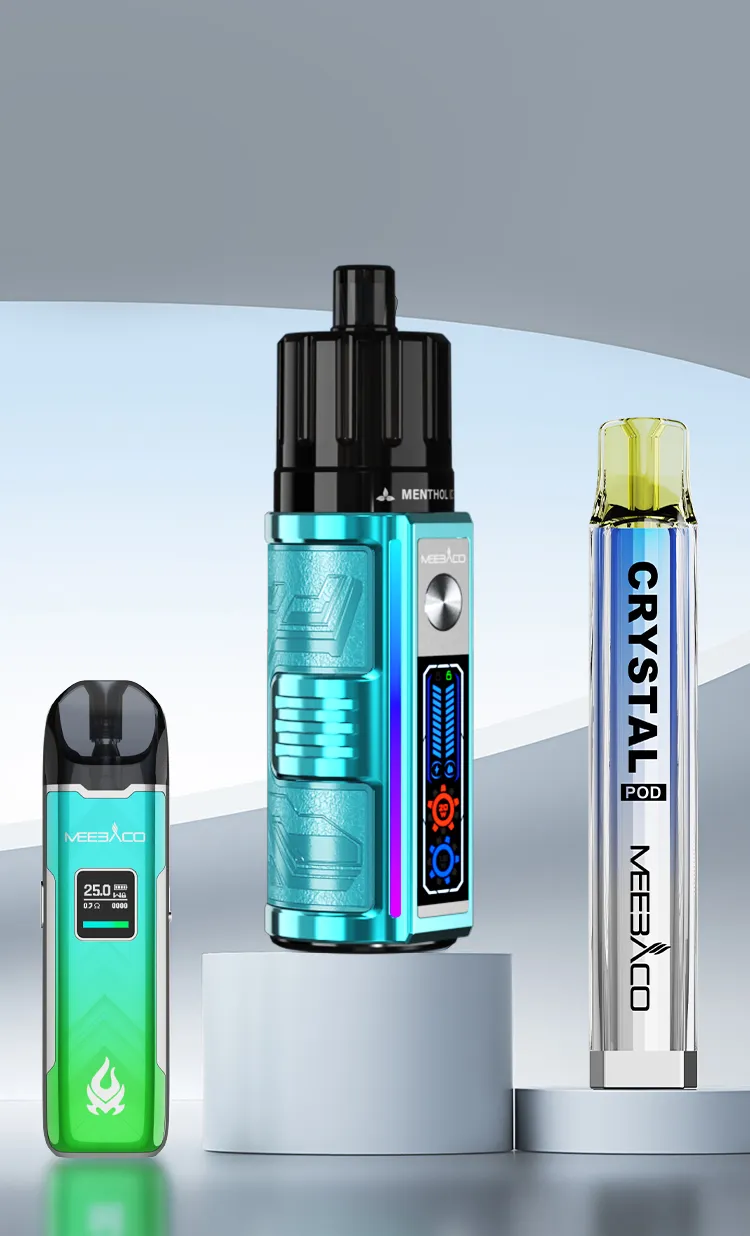
For cross-border e-cigarette businesses, focusing on refillable pod innovation means seizing the circular economy dividend. Optimizing product durability, leak-proof design, and user-friendly refilling will capture market share. Meanwhile, building transparent recycling mechanisms further strengthens competitive edges in international markets.
Conclusion
The era of disposable vapes is fading, replaced by a circular economy-driven industry future. Driven by EU and U.S. regulations and global environmental trends, refillable pods have become the optimal choice for sustainability, compliance, and profitability. In global e-cigarette trade, enterprises focusing on refillable technology will lead the market, achieving long-term, stable growth in the post-disposable era.