Industry Updates
You can master the latest information, new product , exhibition, promotion, etc
WARNING: This product contains nicotine. Nicotine is an addictive chemical.
WARNING: This product contains nicotine. Nicotine is an addictive chemical.

You can master the latest information, new product , exhibition, promotion, etc
You can master the latest information, new product , exhibition, promotion, etc
Release time:2026-01-06 13:36:54Views:
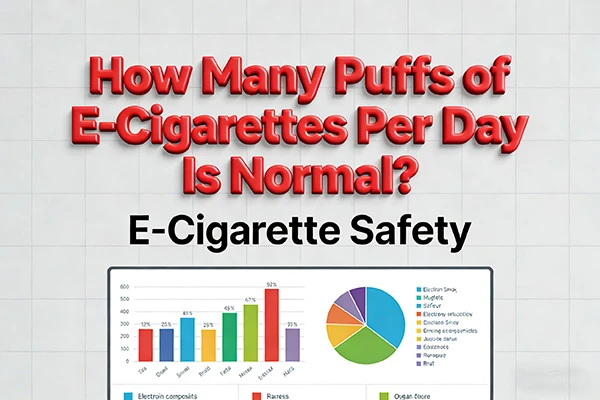
With the growing popularity of vaping as an alternative to traditional cigarettes, many users often ask: “How many puffs of vape per day is normal?” The truth is, there’s no one-size-fits-all answer, as it depends on multiple factors like nicotine concentration, individual tolerance, and vaping purposes. However, understanding the general guidelines for daily puffs, mastering nicotine control methods, and recognizing the risks of over-vaping are crucial for safe use. This article will delve into these key aspects to help you make informed decisions about vaping.
1. Is There a “Normal” Number of Vape Puffs Per Day?
Unlike traditional cigarettes, which have a fixed amount of tobacco and nicotine per stick, vaping allows users to adjust parameters like nicotine strength, vapor volume, and puff frequency. Therefore, the “normal” number of puffs varies significantly from person to person. That said, industry experts and health organizations have summarized some reference ranges based on user groups:
For smokers switching to vaping: Former heavy smokers (who smoked more than 20 cigarettes a day) may initially need 150-250 puffs per day to satisfy their nicotine cravings. Moderate smokers (10-20 cigarettes a day) usually require 100-150 puffs, while light smokers (fewer than 10 cigarettes a day) may only need 50-100 puffs. As the body gradually adapts and nicotine dependence decreases, this number should ideally decrease over time.
For casual vapers (non-smokers): If you vape purely for flavor or leisure without nicotine dependence, it’s recommended to limit daily puffs to fewer than 50. Excessive puffing, even with low-nicotine or nicotine-free e-liquid, can still irritate the respiratory system.
It’s important to emphasize that these are just reference values. The core principle of “normal” vaping is: no nicotine cravings, no discomfort (such as dizziness, dry mouth, or chest tightness), and no impact on daily life, work, or health.
2. Key Strategies for Nicotine Control in Vaping
Nicotine is the main addictive substance in e-liquids, and excessive nicotine intake can cause health issues like increased heart rate, high blood pressure, and nicotine poisoning (especially in children and non-smokers). Effective nicotine control is essential for safe vaping, and the following methods are recommended:
2.1 Choose the Right Nicotine Strength
E-liquids come in various nicotine strengths, usually measured in mg/mL (milligrams per milliliter). For new users switching from cigarettes, it’s advisable to start with a moderate strength and adjust based on cravings:
- Heavy smokers (20+ cigarettes/day): 18-24 mg/mL
- Moderate smokers (10-20 cigarettes/day): 12-18 mg/mL
- Light smokers (≤10 cigarettes/day): 6-12 mg/mL
- Casual vapers or those reducing nicotine: 0-6 mg/mL
Gradually reducing the nicotine strength over time is the most effective way to reduce dependence. For example, after using 18 mg/mL for 1-2 months, switch to 12 mg/mL, then 6 mg/mL, and finally to nicotine-free e-liquid if possible.
2.2 Control Puff Frequency and Duration
Many vapers develop the habit of “chain vaping” (continuous puffing), which can lead to excessive nicotine intake without realizing it. To avoid this, set a reasonable interval between puffs (e.g., 1-2 minutes) and avoid vaping when you’re not craving nicotine (e.g., while watching TV or working). You can also use a vape device with a puff counter to track your daily usage and adjust accordingly.
2.3 Avoid Vaping Before Bed
Nicotine is a stimulant that can affect sleep quality by delaying sleep onset and reducing deep sleep time. Avoid vaping within 1-2 hours before bedtime to ensure adequate rest and reduce overall daily nicotine intake.
3. Safety Risks of Over-Vaping
Even with low-nicotine e-liquid, over-vaping (exceeding your body’s tolerance for puffs or nicotine) can pose health risks. The main hazards include:
3.1 Nicotine Overdose
Symptoms of nicotine overdose include dizziness, nausea, vomiting, rapid heartbeat, sweating, trembling, and in severe cases, seizures or coma. This is particularly dangerous for children, pregnant women, and people with heart or respiratory diseases. For adults, the lethal dose of nicotine is approximately 50-60 mg, but even lower doses can cause acute discomfort if consumed quickly through excessive vaping.
3.2 Respiratory System Irritation
Vape vapor contains substances like propylene glycol (PG), vegetable glycerin (VG), and flavoring agents. While these are generally recognized as safe for ingestion, inhaling large amounts continuously can irritate the throat and lungs, leading to dry throat, cough, shortness of breath, or worsening of existing respiratory conditions (e.g., asthma).
3.3 Increased Addiction
Frequent over-vaping strengthens the body’s dependence on nicotine, making it harder to quit later. It can also lead to psychological dependence, where users rely on vaping to cope with stress or boredom, further increasing daily puff counts.
3.4 Device-Related Risks
Continuous vaping for a long time can cause the vape device to overheat, increasing the risk of battery malfunctions (e.g., leakage, explosion) or coil damage. Overheating can also change the chemical composition of the e-liquid, producing harmful byproducts.
4. Tips for Safe Vaping Practice
To ensure safe vaping and avoid the risks of over-vaping, follow these practical tips:
- Track your daily puffs: Use a vape device with a built-in puff counter or a mobile app to monitor your usage. If you find yourself exceeding your usual range, take主动 steps to reduce (e.g., set a daily limit).
- Stay hydrated: Vaping can cause dry mouth, so drink plenty of water throughout the day. This also helps alleviate any minor throat irritation.
- Choose high-quality e-liquids and devices: Purchase products from reputable brands that comply with international standards (e.g., FDA, TPD). Avoid cheap, unbranded products that may contain harmful additives.
- Take breaks: If you feel dizzy or uncomfortable while vaping, stop immediately and take a break. Fresh air and rest can help relieve symptoms.
- Don’t vape around non-vapers: Especially avoid exposing children, pregnant women, and people with health issues to secondhand vapor.
Conclusion: Finding Your Balance
There is no absolute “normal” number of vape puffs per day, as it varies based on individual factors. However, following the reference ranges for different user groups and prioritizing nicotine control are key to safe vaping. Over-vaping can lead to nicotine overdose, respiratory irritation, and increased addiction, so it’s important to monitor your usage and take proactive steps to adjust when needed.
Remember, vaping is not completely risk-free, and the best way to protect your health is to avoid nicotine products altogether. If you’re trying to quit smoking, consider combining vaping with other smoking cessation methods (e.g., counseling, nicotine replacement therapy) for better results.
This article is for informational purposes only and does not constitute medical advice. If you have concerns about nicotine consumption or vaping habits, consult healthcare professionals for personalized guidance.