Industry Updates
You can master the latest information, new product , exhibition, promotion, etc
WARNING: This product contains nicotine. Nicotine is an addictive chemical.
WARNING: This product contains nicotine. Nicotine is an addictive chemical.

You can master the latest information, new product , exhibition, promotion, etc
You can master the latest information, new product , exhibition, promotion, etc
Release time:2026-01-21 13:49:44Views:
In the rapidly evolving global vape market, the debate between display and screenless vapes has become increasingly prominent. Since the introduction of disposable e-cigarettes equipped with screens displaying the number of cigarettes smoked and battery status, screen-equipped devices have become a new industry trend, reshaping consumer preferences and the competitive landscape of brands. Meanwhile, screenless vapes remain a staple choice for many users due to their simplicity and portability. This article delves into the core functional differences between these two types of vapes, helping brands, retailers, and consumers make informed decisions in the global marketplace.
1. Information Visualization: Transparency vs Simplicity
The most fundamental functional difference between display and screenless vapes lies in how they present device status information—a factor that directly impacts user convenience and experience.
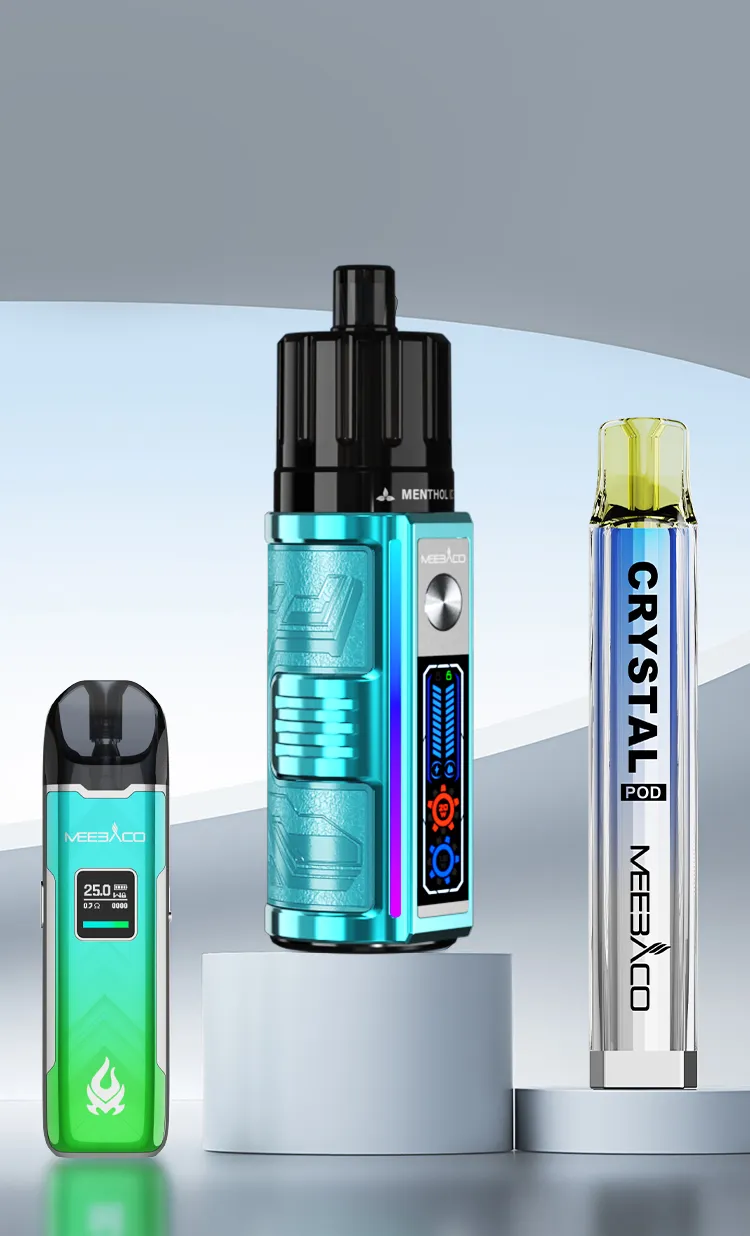
Vapes with displays, typically equipped with LCD, LED, or TFT-LCD screens (ranging from 13*7mm to 1.77 inches in size), offer real-time and precise visualization of key data . Users can clearly check remaining battery power, e-liquid level, puff count, and even power output settings at a glance. This transparency effectively addresses common user pain points, such as unexpected dry hits due to low e-liquid or sudden shutdowns from dead batteries . Advanced models, like those with TFT-LCD screens, can even display colorful animations and custom logos, enhancing the product’s premium feel.
In contrast, screenless vapes rely on basic LED indicators or no visual cues at all to convey device status. Most screenless models use simple light flashes—for example, a red light for low battery or a green light for full charge—to provide minimal information. While this design keeps the device straightforward, it lacks transparency: users often cannot accurately judge remaining e-liquid or battery life, leading to potential inconvenience during use. This simplicity, however, aligns with the needs of users who prioritize hassle-free operation over detailed data.
2. Operational Interaction: Customization vs Ease of Use
Operational interaction is another critical area where display and screenless vapes diverge, catering to different user groups with varying technical proficiency and preferences.
Display vapes excel in customization and interactivity, thanks to their screen-driven interfaces. Beyond basic status displays, many advanced models allow users to adjust power output, switch between flavor modes, and even access adaptive activation sensitivity settings. Some high-end devices feature touchscreens, enabling intuitive navigation through menus— a feature that has become a key differentiator in the competitive market . For example, devices with variable power curves let users fine-tune their vaping experience, a feature highly valued by advanced users and enthusiasts.
Screenless vapes, by design, prioritize simplicity and ease of use. They typically operate via draw-activated mechanisms or basic button controls, with no additional settings to adjust. This "plug-and-play" approach makes them ideal for beginners, casual users, and those who prefer a no-fuss vaping experience . Without the need to navigate menus or adjust settings, screenless vapes reduce the learning curve and potential operational errors, making them a reliable choice for mass-market consumers.

3. Technical Configuration & Reliability
The presence or absence of a display also influences the technical configuration of vapes, which in turn affects their reliability, lifespan, and cost.
Display vapes require more complex internal components, including display drivers, microcontrollers (MCUs), and additional circuitry to support screen functionality . For instance, TFT-LCD screens rely on advanced semiconductor technology to deliver clear visuals and smooth interactions, while LED displays use high-brightness diodes for visibility . These components add to the device’s manufacturing cost, but advancements in technology have narrowed the cost gap between display and screenless models in recent years . However, the increased complexity can potentially lead to more points of failure—though reputable brands mitigate this with built-in protections such as short-circuit protection, overcharge protection, and anti-auto-fire features.
Screenless vapes feature a simplified technical design, with fewer internal components. This simplicity not only reduces manufacturing costs but also enhances reliability by minimizing potential malfunctions . Without a screen or complex control systems, screenless devices are less prone to circuit failures or display-related issues, making them durable and low-maintenance. This robustness is a key advantage for disposable vapes, which account for a large share of the global market and prioritize long-term reliability without maintenance.
4. Target Audience & Market Positioning
The functional differences between display and screenless vapes directly translate to distinct target audiences and market positioning— a crucial consideration for brands operating in the global vape industry.
Display vapes are primarily targeted at advanced users, enthusiasts, and consumers seeking a premium, personalized experience. They are also popular among brands looking to differentiate their products in a crowded market, as the screen adds a layer of innovation and sophistication . According to market data, as of 2025, over 300 screen-equipped vape products were available globally, with penetration rates exceeding 30% in the disposable vape segment . These devices are often priced slightly higher (ranging from $9 to $15 for disposable models) and are well-suited for markets with mature consumers who value technical features .
Screenless vapes, on the other hand, cater to a broader, more mass-market audience, including beginners, casual users, and price-sensitive consumers. They are the go-to choice for disposable vapes in price-conscious markets, as their simplified design keeps costs low while maintaining core functionality . Screenless models also appeal to users who prioritize portability and discretion, as their compact, uncluttered design makes them easy to carry and use on the go.
Choosing the Right Vape for Your Market
Display and screenless vapes each offer unique functional advantages, catering to different user needs and market segments. Display vapes stand out for their transparency, customization, and premium experience—making them ideal for advanced users and brands seeking to innovate. Screenless vapes, meanwhile, excel in simplicity, reliability, and affordability—positioning them as a staple for mass-market consumers and casual users.
For brands and retailers operating in the global vape market, understanding these functional differences is key to optimizing product portfolios and meeting local consumer preferences. Whether you prioritize advanced features or user-friendly simplicity, both display and screenless vapes have a significant role to play in the evolving landscape of the global vape industry.