Industry Updates
You can master the latest information, new product , exhibition, promotion, etc
WARNING: This product contains nicotine. Nicotine is an addictive chemical.
WARNING: This product contains nicotine. Nicotine is an addictive chemical.


You can master the latest information, new product , exhibition, promotion, etc
You can master the latest information, new product , exhibition, promotion, etc
Release time:2025-12-31 14:05:33Views:
2025 has emerged as a transformative year for the global e-cigarette industry, marking a decisive shift from fragmentation and uncertainty to regulatory clarity and standardized development. As countries worldwide strengthen supervision while recognizing the sector’s potential in harm reduction, e-cigarettes are no longer operating in the shadows—instead, they are stepping into the "sunlight" of compliance, transparency, and sustainable growth. This article reviews the core trends shaping the industry in 2025 and offers insights for global stakeholders.
Global Regulatory Framework: Stringency & Clarity Coexist
2025 witnessed unprecedented synchronization in global e-cigarette regulation, with major markets introducing targeted policies to balance public health protection and industry normalization.
North America’s Strict Enforcement: The U.S. has intensified regulatory actions across multiple states. Texas, Wisconsin, and Arkansas implemented bans on non-FDA-approved e-cigarettes in September 2025, with violations carrying penalties of up to 1 year in prison and $4,000 in fines. California established an "unflavored tobacco list" requiring products to prove no distinctive flavors and complete applications by December 31, 2025. Meanwhile, the FDA expanded its approved product list to 39 items, including select flavored options, signaling a more balanced approach between cracking down on illegal products and meeting adult consumer needs.
European & Asian Regulatory Updates: The UK enforced a nationwide ban on disposable e-cigarettes in June 2025, restricting sales to rechargeable and refillable devices, with repeat offenses punishable by up to 2 years in prison. The EU maintained strict TPD requirements, limiting nicotine content to 20mg/mL and mandating compliance with RoHS and REACH standards. South Korea’s Tobacco Harm Control Act, effective November 2025, mandates annual testing of 20 harmful components in e-cigarettes, with results to be publicly disclosed by late 2026.
Global Focus on Youth Protection: Countries including the UK and the U.S. have banned child-friendly marketing—such as cartoon packaging and candy-themed names—and implemented licensing systems for e-cigarette retailers, closing loopholes that enabled underage access.
Market Dynamics: Steady Growth Amid Structural Adjustments
Despite regulatory tightening, the global e-cigarette market maintained robust growth in 2025, driven by rising demand for harm-reduction alternatives and compliance-driven industry consolidation.
Scale Expansion: Industry reports project the global e-cigarette market size to reach $232.53 billion in 2025, with a compound annual growth rate (CAGR) of 8.07% through 2032, while some forecasts suggest it could exceed $600 billion when including broader new tobacco categories. China, home to 70% of global production capacity (concentrated in Shenzhen), remains a key export hub, though regional demand patterns have shifted significantly.
Segment Shifts: Disposable e-cigarettes faced restrictions in major markets like the UK and the EU, prompting a surge in demand for rechargeable, refillable vape devices and pre-filled pods. Nicotine pouches emerged as a high-growth segment, with the FDA approving 20 ZYN products in early 2025, driving global sales projections to exceed $40 billion by 2028.
Brand Concentration: Compliance costs and regulatory barriers have accelerated industry consolidation. Legitimate brands with strong R&D capabilities and global certification, have expanded market share, while unregulated small-scale producers are being gradually phased out.

Technological Innovation: Compliance-Driven Upgrades
2025 saw technological advancements closely aligned with regulatory requirements, focusing on safety, transparency, and user experience.
Safety & Quality Control: Leading e-cigarette manufacturers prioritize rigorous testing. Some top e-cigarette brands conducted over 136,000 product safety tests in 2025, covering aerosol chemistry, material reliability, and heavy metal testing, and reducing the use of high-risk ingredients such as lactic acid and nicotine.
Transparency Enhancements: To comply with disclosure requirements, brands are adopting digital tools such as QR codes on packaging, allowing consumers to access product ingredient information and test results—an initiative mandated by South Korea’s new regulations and increasingly adopted in the EU and U.S.
Patent Layout: Global brands are strengthening their intellectual property protection. Some leading e-cigarette brands have obtained more than 900 global patents, covering core technologies such as atomization materials and circuit control, thereby building a barrier against counterfeiting and ensuring compliance with intellectual property laws.
Guidance for Global E-Cigarette Businesses
For enterprises operating in the global market, 2025’s regulatory landscape demands proactive adaptation and strategic planning to thrive in the "sunlight" of compliance.
Master Regional Rules: Stay updated on dynamic regulations across target markets—such as FDA’s PMTA requirements in the U.S., TPD revisions in the EU, and local licensing systems in the UK—to avoid costly penalties.
Prioritize Compliance Certification: Invest in third-party testing for harmful components, nicotine content, and packaging standards. Partner with professional consulting firms to streamline PMTA applications and SCIP notifications, improving approval rates by up to 60%.
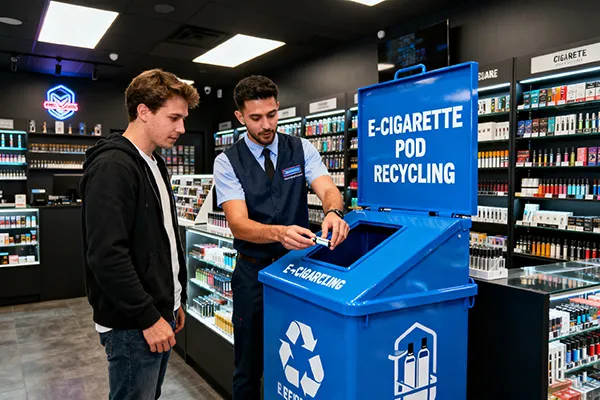
Optimize Product Portfolios: Shift focus to regulatory-compliant products like rechargeable devices and tobacco-flavored options, and explore emerging segments such as nicotine pouches. Strengthen R&D to reduce harmful emissions and meet ESG requirements, including recycling programs for pods.
Strengthen Supply Chain Transparency: Ensure full traceability of raw materials and production processes, as regulators increasingly emphasize accountability throughout the supply chain—especially for exports from major production hubs like China.
2025 will be remembered as the year the e-cigarette industry officially stepped into the "sunlight." Strict yet clear regulations have eliminated chaos, creating a level playing field for legitimate businesses. As global demand for harm-reduction products continues to rise, the industry’s future lies in compliance, innovation, and social responsibility. For enterprises willing to adapt, invest in quality, and embrace transparency, the "sunlight" of 2025 brings not just challenges, but unprecedented opportunities for sustainable growth in the global market.