Industry Updates
You can master the latest information, new product , exhibition, promotion, etc
WARNING: This product contains nicotine. Nicotine is an addictive chemical.
WARNING: This product contains nicotine. Nicotine is an addictive chemical.

You can master the latest information, new product , exhibition, promotion, etc
You can master the latest information, new product , exhibition, promotion, etc
Release time:2025-11-28 09:49:41Views:
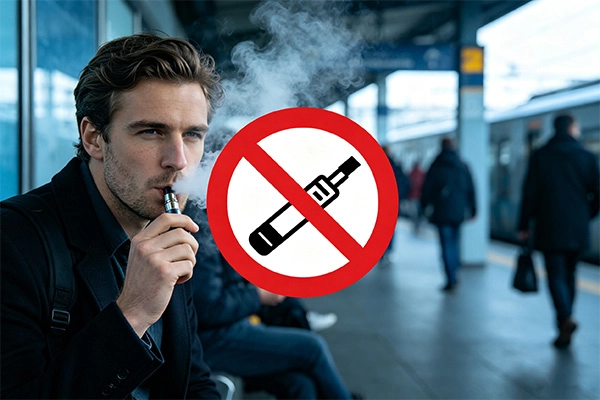
The rising popularity of e-cigarettes has sparked intense debates worldwide, particularly regarding the impacts of secondhand vapor. Contrary to common misconceptions that e-cigarette emissions are merely "harmless water vapor," WHO research confirms that secondhand aerosols contain harmful substances including fine particles (PM2.5), nicotine, volatile organic compounds, and heavy metals like nickel and chromium . These pollutants can increase indoor air pollution by up to 86 times compared to clean air, posing significant health risks to non-users—especially children, pregnant women, and individuals with chronic illnesses.
As governments strengthen regulations to address these concerns, understanding global policies and public use guidelines becomes crucial for responsible vaping. Below is a comprehensive overview of key considerations for using e-cigarettes in public spaces:
1. Health Risks: Beyond the "Harmless" Myth
Secondhand vaping aerosols differ from traditional cigarette smoke but carry unique hazards. Studies show they can elevate the risk of respiratory diseases, cardiovascular issues, and developmental harm in adolescents. For vulnerable groups:
Children exposed to secondhand vapor face higher risks of asthma, ear infections, and impaired brain development due to nicotine exposure.
Pregnant individuals may experience preterm birth, low birth weight, or fetal developmental issues.
Individuals with chronic conditions like COPD or heart disease are more susceptible to exacerbated symptoms.
These findings underscore why public spaces increasingly restrict e-cigarette use—aligning with broader efforts to protect public health.
2. Global Regulatory Landscape: Key Policies to Know
Countries worldwide have implemented diverse regulations targeting e-cigarettes, with a growing focus on limiting public exposure and youth access:
Europe: France and the UK have banned disposable e-cigarettes outright. The EU plans to prohibit flavored e-cigarettes by 2026, while Belgium, Poland, and other nations already restrict non-tobacco/menthol flavors.
Asia: Indonesia raised the minimum purchase age to 21 and mandates 50% health warning labels on packaging . Singapore bans vaping in parks, beaches, and downtown areas like Orchard Road, with fines up to 1,000 SGD for violations. India maintains a full ban on e-cigarettes, though illegal trade persists.
Oceania: Australia requires a pharmacist consultation and age verification for purchasing nicotine e-cigarettes (max 20mg/mL), limiting sales to pharmacies.
Americas: Canada mandates health warnings on individual cigarettes and regulates e-cigarettes under the Tobacco and Vaping Products Act.
Global Bans: Maldives has banned e-cigarette imports entirely, with severe penalties for travelers carrying devices.
These policies reflect a global trend toward stricter oversight—failure to comply can result in fines, device confiscation, or legal action, particularly for international travelers and businesses.

3. Essential Guidelines for Public E-Cigarette Use
To navigate the complex regulatory environment and minimize harm to others, follow these core principles:
Respect No-Vaping Zones: Adhere to all posted signage in airports, restaurants, offices, public transit, and healthcare facilities. Many regions classify e-cigarettes alongside traditional tobacco in smoke-free laws.
Maintain Safe Distances: Even in permitted outdoor areas, keep a minimum 10-meter distance from non-users—especially children, playgrounds, schools, and hospitals.
Avoid Sensitive Environments: Refrain from vaping in enclosed spaces with poor ventilation, such as elevators, hotel lobbies, or public waiting areas, to prevent aerosol accumulation.
Comply with Local Age Laws: Verify minimum purchase/use ages (ranging from 18-21 globally) and never use e-cigarettes near minors.
Dispose of Waste Properly: Disposable e-cigarettes are banned in multiple countries due to environmental and youth access concerns—use rechargeable devices and recycle components responsibly.
Stay Informed: Regulatory changes are frequent (e.g., France’s 2025 disposable ban, EU’s 2026 flavor restrictions). Check official government websites or trade authorities before traveling or conducting business.
4. The Future of Public Vaping: Compliance and Responsibility
As the scientific consensus on secondhand vaping risks strengthens, global regulations will likely become more uniform. For users and businesses operating in the international market, proactive compliance is not just a legal requirement but a social responsibility. By prioritizing public health, respecting local laws, and practicing mindful usage, vapers can mitigate controversy while enjoying their products responsibly.
Remember: The perception of e-cigarettes as "safer" does not equate to "harmless" for others. Responsible public use balances individual choices with collective well-being—an essential principle in the evolving landscape of tobacco alternatives.