Industry Updates
You can master the latest information, new product , exhibition, promotion, etc
WARNING: This product contains nicotine. Nicotine is an addictive chemical.
WARNING: This product contains nicotine. Nicotine is an addictive chemical.

You can master the latest information, new product , exhibition, promotion, etc
You can master the latest information, new product , exhibition, promotion, etc
Release time:2026-09-04 15:28:15Views:
As global demand for e‑cigarette products keeps growing, buyers and end‑users are paying more attention not only to internal atomization performance but also to external hand‑feel, appearance quality and long‑term service life. The spraying process applied to e‑cigarette exterior materials is one of the core factors that directly shape user experience. A well‑executed surface coating can improve product comfort and durability, while improper spraying solutions may lead to slippery surface, easy paint peeling, fingerprint accumulation and other negative feedback from overseas consumers.
Most e‑cigarette housings are made of plastic, aluminum alloy and composite materials. Different base materials require matched spraying parameters, primer selection and top‑coat formulas. Without targeted process adjustment, even high‑quality raw materials cannot deliver ideal user performance. For overseas markets where product return rate and review rating greatly influence sales, surface spraying quality has become an important non‑ignorable competitive dimension.
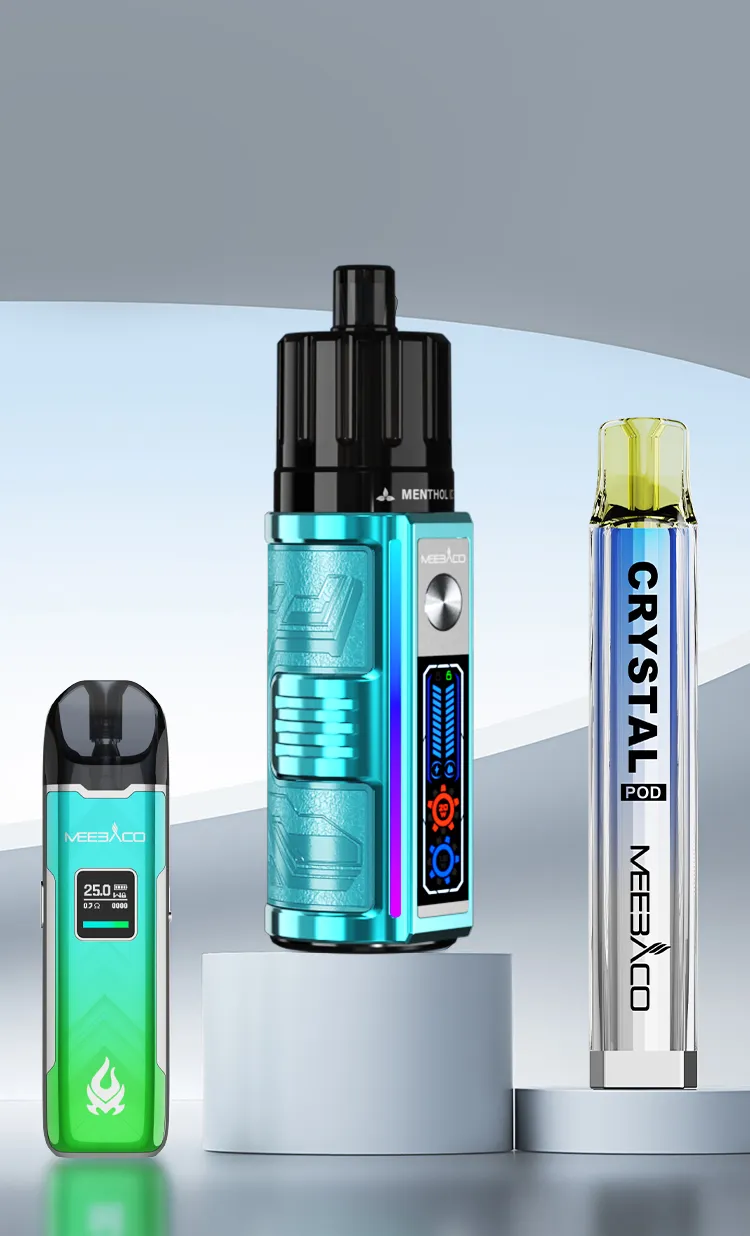
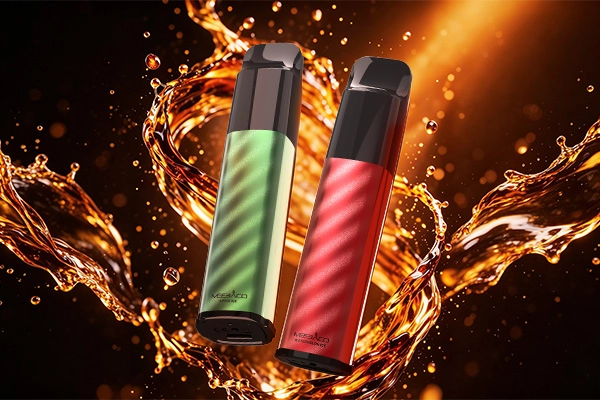
Hand‑feel performance is the most intuitive experience brought by spraying technology. Matte spraying creates soft, non‑slip tactile feeling when users hold the device. This process reduces surface gloss and avoids the slippery problem common on high‑gloss shells, which is especially suitable for disposable vapes and pod‑system devices held for long hours. On the contrary, high‑gloss spraying presents bright and delicate visual effects, yet over‑smooth surfaces may cause slipping when hands sweat. Vape manufacturers need to balance aesthetic preference and actual holding experience according to target market positioning.
Anti‑fingerprint and anti‑stain performance largely depend on top‑coat spraying formulation. In high‑humidity overseas regions, sweat and grease will easily leave obvious marks on unoptimized coating surfaces. Advanced anti‑fingerprint spraying treatment forms a compact protective layer on the shell surface, so fingerprints and oil stains can be wiped away effortlessly. Products lacking such treatment tend to look worn quickly after short‑term use, which lowers end‑user satisfaction and generates negative product reviews on cross‑border e‑commerce platforms.
Coating adhesion determines the long‑term service experience of e‑cigarette devices. Poor spraying pretreatment will cause paint chipping, peeling and edge wear after slight collision or daily friction. For bulk overseas shipments, products go through multi‑level logistics transportation and extrusion. If spraying adhesion fails to meet standards, large‑area paint falling may occur before reaching end customers. Reliable spraying procedures include surface cleaning, electrostatic treatment and matched primer layers, strengthening the bonding force between coating and base shell material. Good adhesion keeps complete appearance even after long‑time carrying in pockets or bags.
Scratch‑resistant performance is another key index related to spraying craftsmanship. Daily contact with keys, coins and other hard objects will produce scratches on e‑cigarette shells. Optimized spraying adds wear‑resistant components in the finish layer to reduce visible scratch traces. Products with weak scratch resistance will show messy surface abrasion after a short usage cycle, giving consumers an impression of low‑grade quality. For brands building mid‑to‑high‑end product lines, scratch‑resistant spraying is a worthy technical investment.
In addition to physical experience, spraying processes also need to comply with overseas material safety requirements. Coating raw materials must pass relevant international safety standards to avoid harmful substance precipitation in daily use. Inferior low‑cost spray paint may bring potential safety risks, which will trigger compliance risks for cross‑border sellers and brands. Selecting qualified coating materials and standardized spraying workflows helps enterprises avoid market access barriers in different countries and regions.
Different target markets have differentiated preference for e‑cigarette surface effects. Some markets favor low‑key matte texture; other consumer groups prefer shiny metallic spraying effects. Product developers should combine local consumer aesthetic habits to select spraying schemes. Same shell material adopting different spraying processes can realize completely different product positioning, which provides flexible space for product differentiation in fierce overseas competition.
To sum up, e‑cigarette exterior material spraying process exerts far‑reaching influence on hand‑feel, anti‑fingerprint property, coating durability, scratch resistance and product compliance. It is not merely a cosmetic‑level decorative craft, but an important part that decides end‑user experience and overseas market reputation. For e‑cigarette manufacturers, sourcing agents and cross‑border operators, fully understanding the pros and cons of various spraying technologies helps to make better product decisions and enhance overall market competitiveness.