Industry Updates
You can master the latest information, new product , exhibition, promotion, etc
WARNING: This product contains nicotine. Nicotine is an addictive chemical.
WARNING: This product contains nicotine. Nicotine is an addictive chemical.

You can master the latest information, new product , exhibition, promotion, etc
You can master the latest information, new product , exhibition, promotion, etc
Release time:2026-08-07 11:32:30Views:
When sourcing disposable vapes, pod systems, box mods and mechanical vape tubes from Chinese manufacturers, most buyers only focus on battery capacity, puff count and flavor formulas, ignoring the exterior casing material. Yet the shell material directly decides product safety, hand feel, durability, retail pricing positioning and after-sales complaint rate. Poor material selection leads to easy cracking, chemical odor, overheating deformation, fingerprint staining and high return rates, dragging down your store reputation and profit margin.
This guide sorts every mainstream and niche e-cigarette exterior material circulating in the global wholesale market, analyzing their applicable product lines, advantages, hidden flaws and suitable customer groups, helping you make precise bulk purchasing decisions without stepping into material traps.
1. Engineering Plastic Series – Mainstream Material for Disposable & Entry-Level Pod Vapes
Plastic accounts for over 70% of disposable vape outer shells worldwide, featuring ultra-low molding cost, lightweight texture and unlimited color customization. Different plastic grades have obvious safety and durability gaps, which is the biggest pitfall for new importers.
Polypropylene (PP)
PP is the most widely used basic plastic for cheap single-use vapes and disposable pod bodies. It meets basic food contact standards, resists daily e-liquid corrosion and weighs almost nothing, greatly cutting logistics freight for large bulk orders. Injection molding production efficiency is high, so manufacturers can offer ultra-low unit prices for mass orders.
The obvious downside is weak heat resistance. When the internal atomizer runs for a long time, low-quality PP shells soften slightly, releasing faint plastic odor that ruins vapor flavor. Thin PP casings crack easily under slight drops or extrusion, causing liquid leakage complaints. PP suits budget disposable vapes targeting low-consumption markets such as convenience store quick sales.
PCTG / Tritan Copolyester (High-Grade Transparent Plastic)
Mid-to-high transparent vape tanks, see-through disposable shells and premium pod cartridges all adopt PCTG. It delivers glass-like high transparency without BPA, resisting scratches better than ordinary transparent PC plastic, and will not turn yellow after long-term sun exposure. Its chemical stability prevents reaction with fruit, mint and dessert e-liquids, retaining pure original flavor without plastic aftertaste.
Compared with PP, PCTG raw material and mold costs rise by 30%–60%, raising the finished product wholesale price. It still cannot withstand extreme high temperature, so PCTG shells are rarely used for high-wattage box mods that generate heavy heat. This material is ideal for premium disposable vapes and transparent pod kits sold in vape specialty shops and offline chain retail.
ABS & Polycarbonate (PC)
ABS plastic is applied to mid-range closed pod system outer frames; PC stands out for strong impact resistance and partial transparency. ABS supports matte, frosted and rubberized coating surface treatments to upgrade hand feel, while transparent PC can display internal e-liquid storage volume.
Two common traps buyers must watch out for: Low-cost recycled ABS releases pungent chemical smells once heated, violating EU and US consumer safety standards and risking customs detention. Uncoated PC surfaces collect fingerprints heavily, making finished products look cheap on retail shelves. PC/ABS composite casings fit entry-level rechargeable pod devices but are not recommended for high-temperature mechanical mods.
High-Performance Special Plastics (PPSU / PEEK)
PPSU and PEEK belong to medical-grade high-temperature resistant plastics, mostly used for luxury heat-not-burn device outer shells and high-end atomizer frames. They can bear long-term high heat without deformation or chemical precipitation, fully complying with FDA and TPD safety requirements. Their strength far exceeds ordinary plastic, resisting drops and extrusion damage.
The only drawback is extremely high raw material cost, limiting its application to high-margin private label premium series, not suitable for mass low-price disposable orders.
2. Metal Series – Premium Positioning for Box Mods, Mechanical Tubes & Luxury Pods
Metal casings dominate mid-to-high-end vape hardware, bringing solid premium texture, strong heat dissipation and long service life. Different metal materials vary drastically in weight, processing cost and corrosion resistance; many suppliers cut corners by mixing inferior alloys to reduce costs.
Aircraft-Grade Aluminum Alloy
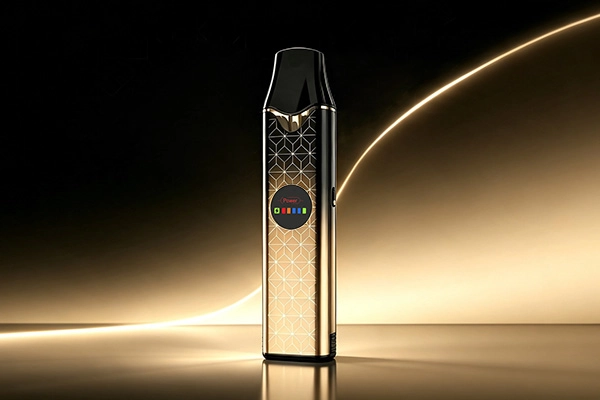
Aluminum alloy is the most popular metal shell material for regulated box mods and slim metal pod vapes. After anodizing surface treatment, it forms wear-resistant matte, brushed or gradient colored layers that do not fade easily. It balances light weight and structural hardness, offering far better heat conduction than plastic to avoid internal overheating risks.
Buyer trap reminder: Inferior recycled aluminum alloy contains excessive impurities, prone to oxidation discoloration after contacting hand sweat and e-liquid condensate. Pure aviation aluminum with complete anodization adds moderate production cost but drastically reduces after-sales oxidation complaints. Aluminum alloy suits mainstream mid-price mod kits and metal frame disposable vapes targeting young fashion consumer groups.
316L Stainless Steel
Stainless steel is the gold standard for high-end mechanical tube mods and premium atomizer housings. It features outstanding rust and corrosion resistance, never oxidizing even after long contact with condensate and salt-based e-liquid. The metal texture is dense and cold-resistant, supporting mirror polishing, sandblasting and wire drawing surface crafts for top-tier visual effects. Stainless steel is completely non-reactive with e-liquid, ensuring zero foreign odor in vapor.
Its main weakness is heavier weight; full stainless steel mods feel bulky when carried daily. CNC precision machining raises production costs, so stainless steel full-shell products have higher wholesale unit prices. This material is perfect for enthusiast-oriented mechanical hardware and high-end gift box vape sets.
Zinc Alloy
Zinc alloy is used for decorative metal frames of low-and-mid hybrid pod devices. It can be cast into complex curved and carved shapes at low cost, with good surface plating adhesion to achieve chrome, gold and gunmetal metallic finishes.
Critical hidden flaw: Zinc alloy has poor anti-drop performance; heavy collision leads to internal cracking, and long-term sweat contact causes plating peeling. It is only suitable for decorative outer frames instead of full bearing main shells. Avoid full zinc alloy disposable vape shells to prevent mass leakage after slight impact.
Brass & Copper (Collector-Grade Mechanical Mods)
Brass and copper are niche materials limited to handmade collector mechanical tubes. The metal forms unique vintage patina oxidation layers with long-time holding, attracting veteran vape enthusiasts seeking personalized texture. Their excellent electrical conductivity optimizes mechanical mod output efficiency.
Two major downsides: Extremely heavy weight, and brass/copper easily react with sweet, acidic e-liquid to produce metallic flavor mixed into vapor. They need regular polishing maintenance, not fit for daily mass consumer products, only recommended for small-batch limited collector editions.
Titanium Alloy
Titanium alloy represents the top tier of vape metal materials, lighter than stainless steel and stronger than aluminum, with natural anti-corrosion and hypoallergenic properties that never irritate sensitive skin. It withstands extreme temperature changes without deformation, and no metal taste transfers to vapor.
The ultra-high raw material and processing cost make titanium alloy exclusive to ultra-luxury custom OEM mods, unsuitable for large-volume conventional wholesale orders.
3. Niche Composite & Decorative Exterior Materials (Custom Private Label Differentiation)
Many private label brands use niche materials to differentiate shelf competitiveness, but most have obvious application limitations, unsuitable for mass standardized orders.
Stabilized Wood
Solid natural wood shells deliver warm, non-slip hand feel completely different from cold metal and plastic, with unique natural grain making each device one-of-a-kind. Manufacturers use resin stabilization treatment to seal wood pores, reducing water absorption deformation risks.
Wood material flaws cannot be ignored: Even stabilized wood cannot soak in liquid; accidental e-liquid spillage leads to mold and cracking. Wood processing yield is low with high manual labor costs, and daily maintenance requirements are higher, so it only applies to small-batch customized luxury box mods for boutique vape shops. Plain unprocessed raw wood shells must be rejected outright during inspection, as they deform and mildew rapidly.
Carbon Fiber
Carbon fiber is usually a thin veneer attached to aluminum alloy base shells, favored by tech-style vape hardware brands. It delivers ultra-light weight, scratch-resistant high-tech texture and good thermal insulation to prevent hot hand feeling during long high-wattage use.
Pure full carbon fiber shells are extremely expensive; most cheap carbon fiber vapes only stick thin printed carbon fiber film that peels after short-term friction. When sourcing, confirm real carbon fiber veneer lamination technology to avoid inferior film counterfeits.
Ceramic & Glass
Ceramic is mainly used for partial decorative panels of high-end pods, with fingerprint-resistant matte texture and excellent heat insulation. However, ceramic is fragile; drops directly cause shell breakage, so it cannot be used as full main shell material. Transparent glass only appears in oil viewing windows of tanks, never as full outer casing due to fragility and heavy weight.
Silicone & Synthetic Leather Wrapping
Silicone serves as protective outer sleeves or non-slip surface coating of vape shells, bringing soft anti-drop and anti-slip effects, widely matched with disposable vapes and portable pods. Synthetic leather wrapping is applied to luxury gift mod sets for improved grade, with rich embossed and color options.
Silicone traps dust and lint easily; cheap synthetic leather peels and cracks after 1–2 months of daily friction. These two materials are auxiliary decorative layers instead of independent main casing materials.
4. Wholesale Material Selection Guide – Match Materials to Your Target Market & Product Line
After sorting all mainstream materials, we summarize actionable purchasing rules to help you avoid inventory losses:
1. Budget disposable vape bulk orders: Choose food-grade PP or standard PCTG transparent plastic shells; reject recycled plastic with chemical odors.
2. Mid-range rechargeable pod systems: Prioritize anodized aluminum alloy frames or high-grade PC/PCTG composite plastic, stay away from full zinc alloy main shells.
3. High-wattage box mods & mechanical hardware: Select 316L stainless steel or aviation aluminum alloy; brass/copper only for small collector batches.
4. Luxury private label customized series: Pick stabilized wood veneer, real carbon fiber or titanium alloy for limited editions to boost retail premium pricing power.
5. Customs compliance reminder: EU TPD, US CPSC and Australian market sales require BPA-free, food-contact certified shell materials; retain manufacturer material test reports to avoid customs confiscation.
Common material traps to avoid during factory inspection: recycled plastic casings with pungent odor, thin unanodized aluminum prone to oxidation, fake carbon fiber printed film, unprocessed unstable wood shells, full zinc alloy main shells with poor anti-drop performance.
Conclusion
E-cigarette exterior material selection is the foundation of stable wholesale sales and low after-sales rates. Budget plastic, mid-range aluminum alloy, high-end stainless steel and niche customized wood/carbon fiber each have fixed applicable scenarios. Blindly pursuing low-cost inferior materials leads to mass returns and damaged store reputation, while overinvesting in high-priced titanium or solid wood for mass disposable vapes compresses profit space severely.
When placing OEM or bulk wholesale orders, clearly mark required material grades, surface treatment standards and safety certification requirements in contracts, and request sample material testing before mass production. If you need customized vape or factory sample sourcing support, contact our wholesale sales team for one-stop vape solution consultation.