Industry Updates
You can master the latest information, new product , exhibition, promotion, etc
WARNING: This product contains nicotine. Nicotine is an addictive chemical.
WARNING: This product contains nicotine. Nicotine is an addictive chemical.

You can master the latest information, new product , exhibition, promotion, etc
You can master the latest information, new product , exhibition, promotion, etc
Release time:2026-08-01 11:29:47Views:
Disposable vapes have become mainstream portable vaping products for global consumers due to their convenience, zero maintenance and easy operation. A large number of novice buyers, including individual overseas users and cross-border wholesale merchants, rely heavily on official labeled puff numbers to judge product value. However, most buyers encounter an awkward situation: the real usable puffs of disposable vapes are far lower than the nominal puff data printed on packaging.
Many manufacturers exaggerate puff parameters as a common marketing tactic, confusing inexperienced buyers. This detailed guide breaks down all core disposable vape parameters, sorts out mainstream hidden traps, analyzes the root cause of inconsistent labeled and actual puff volume, and delivers actionable selection rules for new shoppers, whether you purchase for personal daily use or bulk import sales.
1. Why Labeled Puff Count Never Matches Real Usable Puffs
Puff count refers to the total number of inhalations a disposable vape can support. Brands calculate nominal puffs under strict laboratory test standards, which differ drastically from real human vaping habits. Three core causes lead to huge gaps.
1.1 Laboratory test inhalation standards differ from daily smoking habits
Vape factories conduct puff testing following fixed industrial standards: each inhalation lasts exactly 2 seconds, with stable, moderate suction strength, consistent airflow and uniform draw frequency. Ordinary users have irregular vaping behaviors. Heavy inhales, long drags over 3 seconds, frequent short puffs, hard pulls and intermittent vaping burn e-liquid and power much faster. Every extended draw consumes more juice and electricity, cutting total usable puffs sharply.
1.2 Residual e-liquid and dead battery limit full consumption
No disposable vape can empty all e-liquid and battery power completely. Cotton coils at the bottom cannot absorb every drop of vape juice; thick e-liquid leaves residues inside the pod chamber. Meanwhile, lithium batteries automatically cut off power when voltage drops below the safety threshold to prevent short circuits. Even if liquid remains, low battery stops vaping. Manufacturers count total puffs assuming full liquid and battery utilization, ignoring unavoidable residual waste.
1.3 Flavor concentration and coil resistance affect consumption speed
High-nicotine, thick fruit or mint e-liquids have higher viscosity. Thick liquid flows slower and burns more rapidly under heating. Coil resistance also changes consumption: low-resistance coils heat up faster, vaporize more e-liquid per puff and reduce total puff times. Many merchants do not mark coil resistance alongside puff data, hiding accelerated juice loss.
2. Key Disposable Vape Parameters Requiring Strict Inspection (Common Traps Listed)
Novices only focus on puff figures easily, while ignoring supporting parameters that decide true service life. Below are must-check indicators and widespread deceptive tricks.
2.1 E-liquid capacity (ml): the most fundamental guarantee of real puffs
Milliliter volume directly determines how much juice the device holds. Some low-cost suppliers print high puff numbers but equip tiny 2ml juice tanks. Large puff claims cannot offset insufficient liquid. As a basic reference, 1ml regular e-liquid supports roughly 300–400 normal puffs under daily use. If a disposable vape marks 6000 puffs with less than 12ml liquid, the parameter is obviously inflated.
A frequent scam: manufacturers list total liquid including trapped residual liquid instead of usable liquid. Always confirm net usable e-liquid volume rather than gross tank capacity.
2.2 Battery capacity (mAh): power decides whether liquid can be fully consumed
Battery size matches e-liquid volume. Insufficient battery cannot heat all juice even with abundant liquid. For instance, a vape with 10ml e-liquid paired with a 400mAh small battery will shut down early from power depletion, leaving plenty of unused liquid. Reliable mainstream configurations follow matched mAh and ml ratios.
Unscrupulous sellers label inflated battery mAh values. The actual built-in cell has far lower capacity, causing premature power failure. Wholesale buyers should request third-party battery test reports for bulk orders to avoid fake capacity.
2.3 Nicotine strength & e-liquid composition
High nicotine strength users tend to take shorter puffs, slightly increasing total puff quantity; users choosing zero-nicotine often drag longer, consuming juice faster. Glycerin ratio also matters: high VG e-liquid generates denser vapor but uses more liquid per hit. Do not compare puff numbers across products with different nicotine levels and PG/VG ratios. Cross-model puff comparison is meaningless without identical liquid formulas.
2.4 Airflow design
Open airflow creates big vapor clouds and burns e-liquid faster. Tight airflow requires less juice per draw. Brands seldom note airflow level on packaging. Two devices with identical puff labels can have a 20%+ actual puff gap due to different airflow structures. Adjustable airflow disposables have variable total puffs based on user airflow settings.
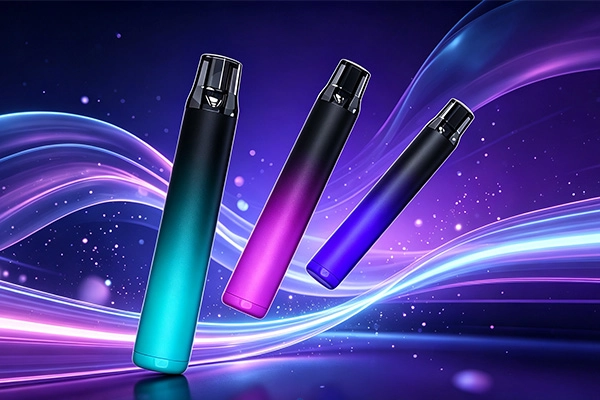
3. More Hidden Parameter Scams New Buyers Easily Overlook
Besides puff exaggeration, multiple covert traps affect product cost performance.
3.1 Empty cavity design: Some outer casings appear large, but most internal space is hollow. Actual liquid and battery size are compressed to cut costs. Appearance size cannot represent internal configuration.
3.2 Recycled inferior batteries: Cheap disposables install secondhand lithium cells. These batteries decay quickly, lose charge fast and end usable life way ahead of schedule, even with standard mAh labeling.
3.3 Inconsistent batch parameters: Factories change coil, liquid or battery accessories for different production batches while keeping packaging puff numbers unchanged. Buyers receive goods with unstable actual puffs across batches.
3.4 Cold environment attenuation: Low temperatures reduce battery activity and e-liquid fluidity. Puff output drops in cold climates. Many sellers never remind overseas customers of temperature influence.
4. Step-by-Step Selection Rules for Beginner Buyers
Follow these practical rules to bypass parameter fraud and pick cost-effective disposables for personal use or cross-border wholesale.
4.1 Judge value by e-liquid ml + battery mAh, not puff labels
Treat printed puff quantity only as a rough reference. Prioritize matching liquid capacity and battery capacity. Calculate the theoretical usable puffs based on ml volume, then compare with labeled puffs. If nominal puffs exceed the reasonable range calculated by liquid volume, the product is overhyped.
4.2 Match parameters with your personal vaping habit
Heavy long-draw users should pick disposables with slightly larger batteries and higher liquid volume to offset fast consumption. Light casual vapers can choose standard specifications. If you live in cold regions, select models with upgraded low-temperature resistant batteries to stabilize real puff performance.
4.3 Cooperate with qualified vape suppliers with testable parameters
For bulk foreign trade purchases, cooperate with manufacturers that provide parameter test certificates, including liquid volume detection, battery capacity test and real-use puff test data. Avoid unknown no-brand products with extremely exaggerated puff numbers at ultra-low prices. Trust transparent parameter data rather than eye-catching high-puff slogans.
4.4 Test sample batches before bulk orders
Place small sample orders first. Record personal actual puff counts under daily usage, check battery endurance and residual liquid amount. Confirm batch parameter stability before large-scale procurement, avoiding massive losses caused by inconsistent real parameters.
4.5 Avoid blindly chasing ultra-high puff numbers
Ultra-high 10,000+ puff disposables often have severe parameter inflation. Most portable high-puff disposables shrink internal configurations to control size and cost. Moderate 2000–6000 puff products usually maintain more truthful parameter consistency.
5. Final Conclusion
The labeled puff count on disposable vape packaging is a laboratory reference index instead of real usable quantity. Vaping habits, liquid traits, battery performance and ambient conditions jointly decide actual service life. Novice buyers must abandon the wrong logic of choosing vapes purely by puff numbers.
Focus on core tangible parameters: usable e-liquid volume, real battery capacity, coil setup and e-liquid formula. Combine personal inhalation style and usage environment for selection. Cross-border wholesale clients need sample verification and supplier qualification inspection to steer clear of parameter marketing traps. Mastering these parameter identification methods helps global buyers obtain stable, cost-effective disposable vape products and avoid wasted spending on overstated-spec items.