
Industry Updates
You can master the latest information, new product , exhibition, promotion, etc
WARNING: This product contains nicotine. Nicotine is an addictive chemical.
WARNING: This product contains nicotine. Nicotine is an addictive chemical.


You can master the latest information, new product , exhibition, promotion, etc
You can master the latest information, new product , exhibition, promotion, etc

Release time:2026-05-15 13:38:59Views:
With the rapid popularity of e-cigarettes worldwide, vaping has become a common lifestyle choice for many adults. Meanwhile, the debate over e-cigarette usage rules in public places has grown increasingly intense across different countries and regions. A key question remains worthy of in-depth discussion: should e-cigarette use be restricted or even banned in public areas?
Many people support setting clear restrictions on vaping in public places for public health and social order reasons. Although e-cigarettes produce no tar and less secondhand smoke than traditional cigarettes, the aerosol released still contains trace harmful substances that may affect the respiratory health of pedestrians, especially children, pregnant women and people with allergies. In crowded public spaces such as shopping malls, subway stations, restaurants and office buildings, unrestricted vaping can easily cause discomfort to non-users and damage public experience. In addition, casual vaping in public may set a bad example for teenagers, inducing them to imitate and try e-cigarettes at a young age. Standardized restrictions can effectively reduce such hidden risks and maintain public health interests.
On the other hand, many advocates hold that a total ban on e-cigarettes in all public places is too extreme and unreasonable. As a harm-reduction alternative to traditional tobacco, e-cigarettes help many adult smokers quit smoking effectively. Completely prohibiting vaping in all outdoor public spaces ignores the legitimate needs of adult users. A more reasonable approach is to implement classified management instead of a one-size-fits-all ban. It is feasible to strictly limit vaping in enclosed indoor public areas, while allowing it in open outdoor spaces with low pedestrian flow. Setting up special vaping zones in public places can also balance the needs of e-cigarette users and the comfort of the public.
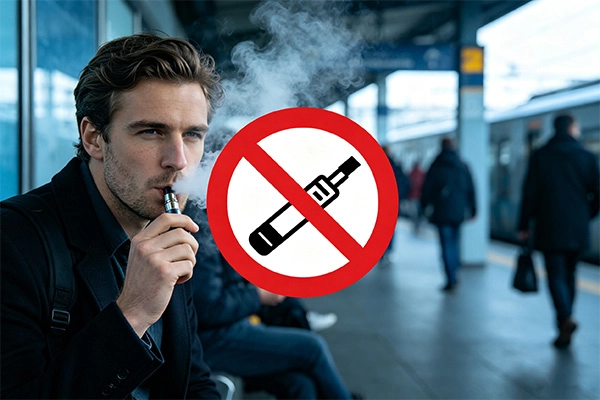
At present, global countries have formed diversified regulatory attitudes toward public vaping. Many regions have introduced clear e-cigarette usage rules, banning vaping in indoor public areas, public transport and educational institutions, while permitting it in designated outdoor areas. This regulatory model has been widely recognized, as it not only protects public health and social etiquette, but also respects the legal rights of adult e-cigarette users.
Establishing sound e-cigarette usage rules is not about completely suppressing vaping, but about guiding standardized and civilized use. The core of public place management lies in balancing public health, social norms and individual legitimate needs. E-cigarette users should abide by public etiquette, avoid vaping in crowded enclosed areas and take the initiative to respect the feelings of others. Relevant institutions can also improve regulatory rules, clarify restricted areas and popularize civilized vaping concepts.
In conclusion, appropriate restrictions on e-cigarette use in public places are necessary and reasonable, while a full-scale blanket ban is not advisable. Scientific classification management, clear usage norms and self-discipline of users will be the best solution to balance public interests and individual needs in the e-cigarette industry.