Industry Updates
You can master the latest information, new product , exhibition, promotion, etc
WARNING: This product contains nicotine. Nicotine is an addictive chemical.
WARNING: This product contains nicotine. Nicotine is an addictive chemical.

You can master the latest information, new product , exhibition, promotion, etc
You can master the latest information, new product , exhibition, promotion, etc
Release time:2026-04-07 14:19:38Views:
For decades, traditional combustible cigarettes have dominated the global nicotine market, deeply rooted in long-standing smoking culture and rituals. In recent years, tech-powered electronic cigarettes have emerged as a prominent alternative for adult nicotine users, reshaping the way people interact with nicotine delivery. At the absolute core of the divide between these two products is a fundamental technological difference: low-temperature electronic atomization for e-cigarettes, and high-temperature combustion for traditional cigarettes. This core distinction creates a vast gap in nearly every aspect of the user experience, from the moment of inhalation to long-term sensory and lifestyle impacts. In this guide, we break down the key experience differences between these two nicotine delivery methods, to help adult users understand the unique characteristics of each option.
The Core Mechanism: How Atomization and Combustion Define the User Experience
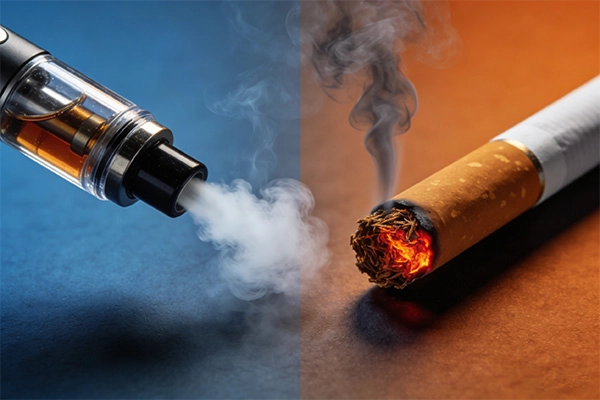
Before diving into specific experience differences, it is critical to understand the foundational technological split that separates e-cigarettes and traditional cigarettes, as this is the root cause of all downstream variances in use. Traditional cigarettes rely on the complete combustion of tobacco, which occurs at extreme temperatures ranging from 800°C to 900°C when a user inhales. This burning process breaks down tobacco and added ingredients, releasing nicotine alongside thousands of chemical byproducts, including tar, carbon monoxide, and a wide range of combustion-generated compounds that define the smoking experience.
In contrast, modern e-cigarettes use precision electronic temperature control and a battery-powered atomizer to heat e-liquid (typically containing nicotine, flavorings, and a vegetable glycerin/propylene glycol base) to a much lower temperature, usually between 200°C and 300°C. This low-temperature process does not involve combustion or burning, instead creating a fine inhalable aerosol (commonly referred to as vapor) that delivers nicotine and flavor. The complete absence of combustion is the single biggest driver of experience differences between vaping and smoking, altering everything from the feel of inhalation to the sensory and environmental impact of use.
Inhalation and Throat Hit: Customizable Smoothness vs Fixed Harsh Intensity
One of the most immediate and noticeable differences between e-cigarettes and traditional cigarettes is the throat hit – the tactile sensation in the throat and chest that many nicotine users seek as a core part of their experience. For traditional combustible cigarettes, the throat hit is sharp, intense, and immediate, driven primarily by the irritants and combustion byproducts in the smoke, alongside nicotine. This harsh, robust sensation is a defining, largely unchangeable feature of cigarette smoking, with intensity fixed by the tobacco blend and cigarette design, with almost no room for user customization. The high-temperature smoke also creates a dry, warm feeling in the mouth and throat with each inhale, a sensation that long-term smokers become accustomed to, but which can feel overly harsh to new or occasional users.
E-cigarettes, by contrast, offer a highly customizable throat hit experience, tailored entirely to the user’s personal preferences through adjustable device settings, e-liquid formulations, and nicotine strengths. The throat hit from vaping is inherently smoother and less abrasive than cigarette smoke, as it comes primarily from the nicotine and propylene glycol in the e-liquid, rather than harsh combustion irritants. Adult users can adjust the intensity by choosing between higher or lower nicotine concentrations, switching between different e-liquid base ratios, or modifying the device’s wattage and temperature settings. For those seeking a cigarette-like throat hit, higher nicotine salt formulations and tighter airflow settings can closely replicate the familiar sensation, while users preferring a smoother, milder experience can opt for lower strengths and more open airflow. This level of customization is a key differentiator, allowing users to fine-tune their inhalation experience in a way that is simply not possible with pre-made traditional cigarettes.
Flavor and Aroma: Vibrant, Consistent Delivery vs Dulled, Burnt Tobacco Notes
Flavor and aroma are central to the user experience for both vaping and smoking, and here the difference between low-temperature atomization and high-temperature combustion is especially pronounced. Traditional cigarettes deliver flavor almost exclusively from the tobacco blend, with strict limits on added flavorings in most global markets. The high-temperature combustion process burns away the vast majority of subtle aromatic compounds in the tobacco, resulting in a dominant, earthy tobacco flavor that is consistently accompanied by bitter, ashy notes of burnt plant material. The aroma of cigarette smoke lingers heavily, both in the user’s mouth and on their clothing, hair, and surroundings, with the distinct smell of burnt tobacco often remaining for hours after use. Long-term smoking can also dull the user’s sense of taste and smell over time, reducing their ability to perceive subtle flavors and aromas with continued use.
Tech-driven atomization, by contrast, preserves the vast majority of delicate flavor compounds in e-liquid, as the low-temperature heating process does not burn or degrade aromatic ingredients. This allows for an unparalleled variety of flavor profiles, from classic tobacco and menthol to a wide range of fruit, dessert, beverage, and botanical blends, each with distinct, nuanced notes that remain consistent with every inhale. The vapor produced by e-cigarettes carries the flavor directly to the user’s taste buds, with a cleaner, more vibrant taste that lacks the ashy, burnt aftertaste of cigarette smoke. Additionally, the aroma of e-cigarette vapor is far less persistent than cigarette smoke; it dissipates quickly in well-ventilated spaces, leaving little to no residual smell on the user’s body or surroundings. Many adult vapers also report an improvement in their ability to perceive taste and smell after switching from smoking to vaping, as they are no longer exposed to the combustion byproducts that can dull sensory receptors over time.
Usage Scenarios and Environmental Impact: Discreet Vapor vs Lingering Combustion Smoke
The visual and environmental impact of use is another key area where e-cigarettes and traditional cigarettes differ dramatically, directly shaping the user’s lifestyle and where they can use their chosen product. Traditional cigarettes produce thick, opaque smoke that contains harmful particulate matter and combustion byproducts, which adheres to surfaces, creates secondhand smoke, and leaves behind stubborn residue known as "thirdhand smoke" on walls, furniture, and fabrics. Most public spaces, workplaces, and hospitality venues around the world have strict, near-universal bans on indoor cigarette smoking, limiting where smokers can use their products almost exclusively to designated outdoor areas. Cigarette use also creates significant physical waste in the form of cigarette butts, which are the most littered item globally, containing toxic chemicals that can harm the environment.
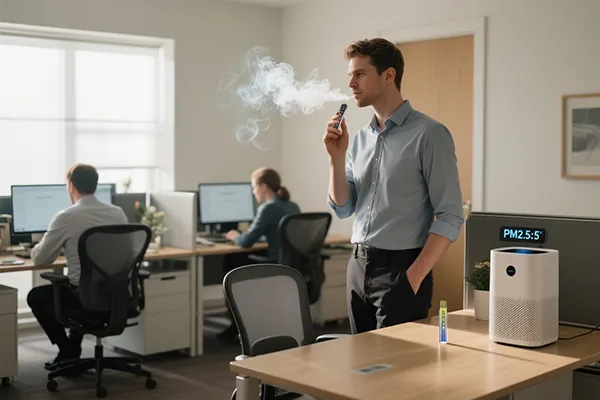
E-cigarettes produce an aerosol vapor that is visually similar to smoke, but with very different environmental properties. The vapor dissipates within seconds in well-ventilated spaces, with no lingering particulate residue or persistent thirdhand contamination. While many regions still have regulations around public vaping, the restrictions are often less stringent than those for combustible cigarettes, with more venues allowing indoor vaping in designated areas. Additionally, e-cigarettes produce no physical waste during use beyond the eventual disposal of empty e-liquid containers or pre-filled pods, and rechargeable devices significantly reduce long-term waste compared to single-use cigarettes. For adult users, this means a far more discreet usage experience, with less impact on the people and environment around them, and more flexibility in where they can use their device.
Consistency and Convenience: Precision Tech vs Variable Combustion
Consistency and convenience are often overlooked but critical elements of the user experience, and here atomization technology offers distinct advantages over traditional combustion. Traditional cigarettes require an open flame to light, and the burn rate, nicotine delivery, and overall experience can vary dramatically depending on how the user smokes, environmental conditions, and how much of the cigarette is consumed. A cigarette that is smoked quickly will deliver a very different intensity than one smoked slowly, and the last third of a cigarette is often significantly harsher and more bitter than the first, as the tobacco and filter become saturated with combustion byproducts. Cigarettes also require constant restocking, as each cigarette is single-use, and users must carry a full pack and lighter with them at all times, with the constant risk of running out at inconvenient times.
E-cigarettes, by contrast, deliver an exceptionally consistent experience with every inhale, thanks to precision electronic temperature control and regulated power output. The device heats the e-liquid to the same pre-set temperature with every puff, ensuring that the nicotine delivery, flavor intensity, and throat hit remain consistent from the first inhale to the last of the e-liquid supply. Rechargeable e-cigarette devices offer long-lasting battery life, with many models lasting a full day or more on a single charge, and users only need to refill or replace their e-liquid/pods periodically, rather than carrying a full pack of single-use products. There is no need for a lighter or open flame, making vaping usable in a wider range of conditions, including windy outdoor environments where lighting a cigarette is difficult or impossible. For many adult users, this consistency and convenience translates to a more streamlined, user-friendly experience that fits seamlessly into their daily routine.
Responsible Usage and Regulatory Compliance Notes
While the experience differences between e-cigarettes and traditional cigarettes are significant, it is essential for adult users to make informed, responsible choices when selecting any nicotine-containing product. Both e-cigarettes and traditional cigarettes contain nicotine, an addictive chemical that can have adverse health effects, and neither product is suitable for non-smokers, youth, pregnant or breastfeeding individuals, or anyone with underlying health conditions who should avoid nicotine exposure.
Regulations around e-cigarettes and traditional cigarettes vary significantly by country and region. For example, the EU’s Tobacco Product Directive (TPD) sets strict limits on nicotine concentration (max 20mg/mL) and e-liquid volume, while the U.S. Food and Drug Administration (FDA) requires premarket authorization for all e-cigarette products sold in the United States. Adult users must always comply with local laws and restrictions regarding the purchase, possession, and use of nicotine products, and only source e-cigarette devices and e-liquids from reputable, compliant manufacturers to ensure product safety and consistent quality.
Final Thoughts
The divide between e-cigarettes and traditional cigarettes ultimately comes down to the fundamental difference between tech-powered low-temperature atomization and traditional high-temperature combustion. This core technological distinction creates a vastly different user experience across every key touchpoint: from the customizable throat hit and vibrant flavor delivery of vaping, to the fixed, robust sensation and familiar ritual of smoking. For adult current nicotine users, recognizing these experience differences is the first step to making a choice that aligns with your individual preferences and lifestyle needs, while always prioritizing responsible, compliant usage and informed decision-making.