Industry Updates
You can master the latest information, new product , exhibition, promotion, etc
WARNING: This product contains nicotine. Nicotine is an addictive chemical.
WARNING: This product contains nicotine. Nicotine is an addictive chemical.

You can master the latest information, new product , exhibition, promotion, etc
You can master the latest information, new product , exhibition, promotion, etc
Release time:2026-03-23 15:01:04Views:
The global disposable vape market maintains robust year-over-year growth, as smoking populations worldwide shift to harm-reduced alternatives. Yet this expansion comes with unprecedented industry challenges: extreme product saturation, tightening regional regulations, and skyrocketing customer acquisition costs amid stricter paid advertising restrictions for vape marketing. Amid this landscape, blockbuster crossover collaborations between disposable vape manufacturers and top-tier designer toy IPs have emerged as a game-changing growth driver for cross-border vape brands and distributors.
Why Disposable Vape x Designer Toy IP Collaborations Go Viral
The runaway success of these co-branded launches stems from four core factors that directly solve the cross-border vape industry’s biggest pain points.
Unmatched Emotional Resonance With Core Young Consumers
Designer toy IPs—from globally renowned urban vinyl collectibles to niche street art characters—boast fiercely loyal Gen Z and millennial fanbases, who make up over 70% of the global disposable vape market. These IPs represent cultural identity, self-expression, and community for their followers.
Partnering with a beloved toy IP lets vape brands tap into this existing passionate community, instantly bridging the gap between a functional device and a meaningful lifestyle accessory. This emotional connection turns casual buyers into vocal brand advocates, a critical advantage in a market flooded with near-identical products.
Collectibility Drives Repeat Purchase Behavior
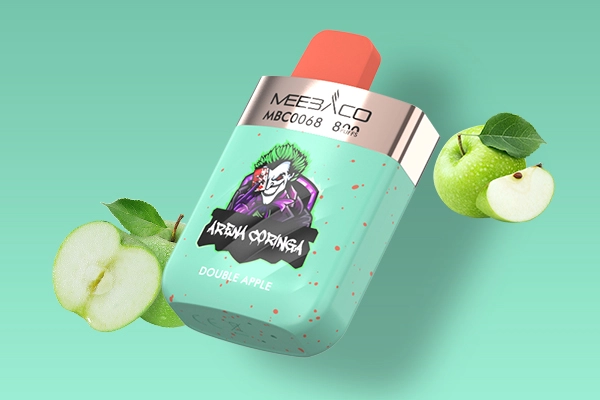
Unlike standard disposable vapes, widely viewed as single-use low-value commodities, co-branded lines leverage the inherent collectibility of designer toy culture. Limited production runs, exclusive character designs, and tiered releases transform each device into a must-have for both vape users and IP collectors.
Many consumers purchase these products for display, trade, and collection, not just for vaping. This dynamic lifts average order values, drives repeat purchases for full design sets, and creates a secondary resale market that amplifies brand hype. For distributors, this means high-demand inventory that outperforms standard SKUs in turnover and margins, with limited drops regularly selling out within hours.
Break Through Saturation and Regulatory Barriers
Product saturation and evolving regional regulations are the industry’s most persistent challenges. A designer toy IP collaboration delivers an instant, one-of-a-kind unique selling proposition that sets products apart from competitors, resonating with both consumers and retail partners.
Positioning products as premium co-branded lifestyle items, rather than generic vapes, also helps brands navigate stricter regional advertising guidelines. This distinct brand identity reduces reliance on price competition in a market increasingly dominated by low-cost generic alternatives.
Organic Virality Cuts Rising Customer Acquisition Costs
Rising CAC and platform advertising restrictions plague cross-border vape brands. IP collaborations solve this by driving organic user-generated content at scale: fans naturally share unboxings, collection displays, and limited-edition finds across social media, reaching millions of potential customers without paid media spend.
This organic reach not only slashes CAC, but also builds stronger consumer trust. Peer recommendations and UGC carry far more weight than traditional advertising in the vape space, where users are increasingly skeptical of branded marketing claims.
Core Pillars of a Successful Crossover Partnership
Not all IP collaborations deliver equal results. The most viral, commercially successful launches rest on four non-negotiable pillars that ensure authenticity, market fit, and long-term value for all stakeholders.
Aligned Brand Values and Audience Overlap
The most impactful collaborations are never forced gimmicks. They are built on aligned brand values and clear target audience overlap: a streetwear-focused designer toy IP pairs seamlessly with a vape brand positioned as a lifestyle accessory for trend-forward global consumers.
Authentic partnerships drive deeper engagement and loyalty. For cross-border brands, this means prioritizing IPs with a global, multi-regional fanbase to drive consistent demand across key markets worldwide.
Strategic Scarcity and Release Planning
Scarcity is the lifeblood of both designer toy culture and viral product launches. Top co-branded lines use calibrated limited production runs, exclusive regional drops, and tiered release schedules to build hype and drive immediate sales, often starting with a superfan pre-launch before a wider global rollout.
This approach creates powerful FOMO (fear of missing out) among consumers, while also reducing inventory risk for brands and distributors. Limited runs sell out quickly, cutting overstock risk in volatile markets, while sequential drops drive sustained long-term demand.
Immersive Experience Beyond the Product
Standout collaborations extend far beyond printing a character on a device. Top brands build fully immersive co-branded experiences: custom packaging that doubles as a collector’s display case, complementary toy figures with premium purchases, global pop-up events, and interactive digital content that unites the IP and vape brand in a cohesive narrative.
This immersive approach turns a product launch into a global cultural moment, deepening consumer connection and extending the collaboration’s lifecycle. For distributors, this creates additional upsell opportunities and makes the product a high-traffic retail standout.
Uncompromising Quality and IP Integrity
Every successful collaboration rests on two non-negotiables: premium vape product quality, and full respect for the IP’s creative integrity. IP holders are fiercely protective of their brand and fans, and only partner with vape brands that deliver compliant, high-quality products meeting global safety standards.
Consumers quickly reject low-effort, cash-grab collaborations with poor performance or uninspired design. For cross-border brands, this means ensuring every co-branded product meets all regional regulatory requirements for safety, labeling, and compliance.
How These Collaborations Reshape the Global Vape Industry
This crossover trend is not a passing fad—it is fundamentally restructuring the global vape industry in lasting ways that benefit the entire cross-border supply chain.
First, these partnerships elevate the entire disposable vape category, shifting it from a low-margin commodity market to a premium lifestyle segment. Brands with successful IP collaborations command higher price points, boost margins, and build long-term brand equity, rather than competing solely on price. This creates a higher-value market with more stable, predictable demand for all supply chain stakeholders.
Second, these collaborations expand the category’s consumer base, reaching new audiences previously unengaged with vapes. Designer toy collectors purchase co-branded products for their collectibility and cultural relevance, introducing new customers to the brand and category. For distributors, this means access to new customer segments and expanded reach in regions with booming designer toy culture.
Third, these partnerships redefine industry innovation. No longer is innovation limited to technical upgrades like battery life or flavor profiles; brand and cultural innovation is now equally critical. This shift pushes the entire industry forward, encouraging creativity and differentiation in a market long plagued by generic copycat products.
Finally, these collaborations build more resilient cross-border businesses. In an industry marked by shifting regulations and supply chain volatility, a differentiated brand built on authentic IP partnerships is far more resilient than a generic commodity brand. Brands with loyal fanbases can better navigate market changes and maintain consistent global demand.
The Future of Vape x Designer Toy IP Collaborations
This crossover trend shows no signs of slowing, with three key developments shaping its future.
First, the industry is shifting from one-off drops to long-term strategic partnerships. Leading brands are building multi-year collaboration roadmaps with sequential releases and deepening IP integration, driving sustained brand loyalty and predictable revenue, rather than short-term sales spikes.
Second, alongside global blockbuster IPs, brands are finding success with niche, hyper-local IPs that have passionate regional fanbases. This hyper-local approach lets cross-border brands tailor offerings to specific markets, resonating more deeply with local consumers and standing out in crowded regional spaces.
Third, there is growing integration of physical and digital experiences, with phygital collaborations combining physical vape products with digital collectibles and virtual IP experiences. This aligns with Gen Z and millennial consumer interests, adding new layers of collectibility and extending each collaboration’s reach and lifecycle.
The viral success of disposable vape and designer toy IP crossovers is more than a marketing trend—it is a fundamental shift in how vape brands connect with consumers, differentiate themselves, and build sustainable cross-border businesses. By tapping into the emotional resonance, collectibility, and global reach of designer toy IPs, vape brands build not just product sales, but cultural movements, loyal fanbases, and high-value, enduring brands.