Industry Updates
You can master the latest information, new product , exhibition, promotion, etc
WARNING: This product contains nicotine. Nicotine is an addictive chemical.
WARNING: This product contains nicotine. Nicotine is an addictive chemical.

You can master the latest information, new product , exhibition, promotion, etc
You can master the latest information, new product , exhibition, promotion, etc
Release time:2026-03-20 11:25:15Views:
In the fast‑evolving global vaping market, user experience has always been the core driving force behind product innovation. One of the most persistent pain points for disposable vape users is range anxiety—the frustration of a dead battery when the e‑liquid is still available, especially during travel, outdoor activities, or daily commutes. To solve this problem, brands have launched rechargeable disposable vapes, a hybrid category that combines the portability of traditional disposables with the endurance of rechargeable devices. This new trend has sparked heated debate: is it a meaningful step forward, or a self‑contradictory compromise that avoids real problems?
What Are Rechargeable Disposable Vapes?
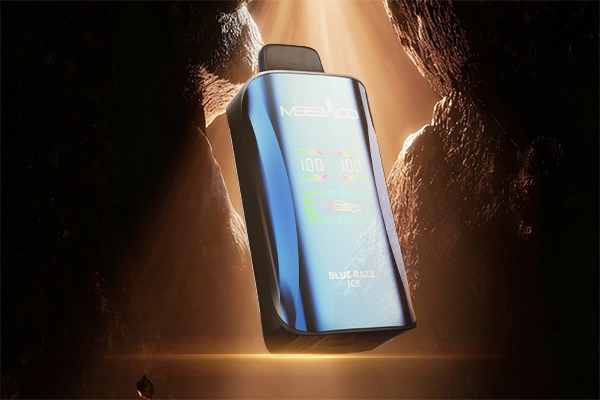
Rechargeable disposable vapes are compact, all‑in‑one devices that retain the ready‑to‑use design of standard disposables. They add a micro charging port (most commonly USB‑C) to allow quick top‑ups when the battery runs low. Users can charge the device 2 to 3 times to exhaust all pre‑filled e‑liquid before discarding the whole unit. Unlike refillable pod systems, these products do not support liquid replacement and remain single‑use in their full lifecycle.
How Range Anxiety Pushes the Shift
Traditional disposable vapes are designed for one‑time use, with fixed battery capacity matched to estimated puff counts. When the battery dies ahead of the e‑liquid, users have no choice but to throw away a partially used device. This waste is amplified in scenarios like long trips, festivals, and business travel, where charging access is limited. Range anxiety has become a top complaint among heavy users and a key barrier to market growth. Rechargeable disposable vapes directly solve this by letting users extend usage with a short charge, eliminating the fear of sudden power loss.
The Case for Progress
From the user and market perspective, this innovation delivers clear value.
Improved user experience: Users no longer waste remaining e‑liquid or carry multiple spare disposables. A 10‑minute charge can restore full functionality, making the product far more reliable for on‑the‑go use.
Higher cost efficiency: Consumers get more puffs per device, reducing the frequency of repurchases and lowering long‑term spending.
Reduced partial waste: Fully using the e‑liquid cuts down on the number of devices thrown away mid‑cycle, easing resource waste to a limited extent.
Market differentiation: Brands gain a competitive edge by addressing a real pain point, expanding their product portfolios in the crowded disposable sector.
The Underlying Paradox
For all its user‑facing benefits, the rechargeable disposable trend carries a fundamental paradox, especially around sustainability and regulation.
Still single‑use: The device remains non‑refillable and non‑reusable. After the e‑liquid is gone, it is discarded like a traditional disposable, leaving the same electronic waste problem.
Environmental contradiction: Adding charging components increases material complexity, making recycling harder. Critics argue it is a “band‑aid fix” that does not address the core issue of disposable waste.
Regulatory risks: Many regions are tightening rules on single‑use vaping products. Rechargeable disposables may still fall under restricted categories, creating compliance uncertainty for global traders and brands.
Mixed sustainability signals: The category claims to be “greener” but does not adopt circular design principles like recycling programs or modular parts.
Balancing Innovation and Industry Responsibility
The future of rechargeable disposable vapes depends on balancing user convenience with long‑term industry responsibility.
Brands should integrate recyclable materials and support take‑back programs to reduce environmental harm.
Manufacturers can optimize battery and component design to improve repairability and recycling efficiency.
Global traders must stay updated on regional regulations to ensure compliance in target markets.
The industry should continue investing in truly sustainable solutions, such as refillable systems and certified recycling chains.
Rechargeable disposable vapes are a direct response to range anxiety and represent short‑term progress in user experience and product functionality. At the same time, they form a paradox because they do not resolve the core sustainability flaws of single‑use devices. For the global vaping industry, this category is a transitional innovation rather than a final solution. The real next step will be products that satisfy user convenience, eliminate range anxiety, and honor environmental and regulatory responsibilities. As the market matures, vape brands and traders that balance innovation with sustainability will lead the next wave of growth.